
Logistics & Distribution Management System in Islamabad, Pakistan
Manage Orders, Warehouses, Vehicles and Deliveries with One Connected System
Managing a logistics or distribution business involves coordinating orders, inventory, warehouses, vehicles, drivers, delivery schedules, customer payments and operating expenses. However, when these activities are handled through separate spreadsheets, paper registers and disconnected applications, maintaining accurate records becomes increasingly difficult.
Nizi Solutions offers Logistics & Distribution Management Software designed to help businesses organise their logistics and distribution operations through a centralised management system.
From warehouse stock and order processing to fleet operations, delivery tracking, customer accounts and financial reporting, our software can be configured around your business requirements.
Whether you operate a small distribution business in Islamabad, manage a warehouse in Rawalpindi or coordinate deliveries across multiple cities in Pakistan, we can discuss a solution that fits your operational needs and budget.
Furthermore, connected workflows can help your team improve visibility into stock movements, delivery progress and distribution costs.
Simplify your logistics. Improve distribution control. Make better-informed business decisions.
Primary CTA: Request a Free Software Demo
Secondary CTA: Get a Customised Quote
Flexible software solutions for small, medium-sized and enterprise-level businesses, with configurable modules and multilingual options according to project requirements.
What Is a Logistics & Distribution Management System?
A Logistics & Distribution Management System is business software that helps organisations manage the movement of goods from suppliers and warehouses to customers, retailers, distributors and other delivery destinations.
It can connect order management, inventory, warehouse operations, transportation, delivery scheduling, customer records, invoicing and financial reporting.
For example, when a customer places an order, the system can help verify stock availability, prepare the order for dispatch, allocate a vehicle, record delivery progress and update the relevant transaction records.
Similarly, distribution managers can monitor stock transfers between warehouses, review outstanding deliveries and evaluate vehicle-related expenses.
Consequently, businesses gain a clearer view of their logistics activities and can coordinate daily operations more systematically.
Who Can Use Logistics & Distribution Software?
The system can be configured for:
- Logistics and transportation companies.
- Distribution and wholesale businesses.
- FMCG distributors.
- Manufacturing companies.
- Retail supply businesses.
- Importers and exporters.
- E-commerce fulfilment operations.
- Warehousing and storage businesses.
- Courier and delivery service providers.
- Multi-branch businesses.
- Companies managing their own delivery fleets.
- Enterprises requiring centralised logistics reporting.
Key Features of Logistics & Distribution Management Software
Nizi Solutions can assess your business requirements and recommend relevant modules. The following features describe potential system capabilities that can be included or configured according to the agreed implementation scope.
1. Order Management
Manage customer orders from initial entry through fulfilment and delivery.
- Customer order registration.
- Sales order creation.
- Order approval workflows.
- Product and quantity selection.
- Stock availability checks.
- Order prioritisation.
- Order status tracking.
- Partial order fulfilment.
- Order cancellation and amendment records.
- Dispatch planning.
- Delivery status updates.
- Order history and reporting.
Benefit: Centralised order records help teams coordinate warehouse preparation, transportation and customer communication more efficiently.
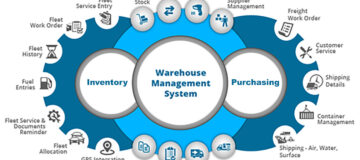
2. Warehouse Management System (WMS)
Organise warehouse activities and maintain accurate inventory records.
- Multiple warehouse management.
- Warehouse and storage location setup.
- Product and SKU management.
- Barcode support, where configured.
- Goods receiving.
- Stock put-away records.
- Picking and packing workflows.
- Stock transfers between locations.
- Physical stock counts.
- Inventory adjustments.
- Damaged and returned stock records.
- Batch and expiry tracking, where required.
- Warehouse stock valuation, where supported.
- Warehouse performance reports.
Multi-Warehouse Inventory Control
Businesses operating warehouses in Islamabad, Rawalpindi or other locations can use centralised records to review stock availability and stock movements by location.
Furthermore, warehouse-wise reporting can help identify inventory discrepancies and improve replenishment planning.
3. Fleet and Vehicle Management
Manage vehicles used for transporting goods and completing deliveries.
- Vehicle registration and identification.
- Vehicle type and capacity records.
- Driver assignments.
- Vehicle availability status.
- Trip and dispatch records.
- Fuel expense tracking.
- Vehicle maintenance schedules.
- Repair and service history.
- Vehicle operating expenses.
- Mileage records, where captured.
- Vehicle utilisation reports.
- Fleet cost analysis.
- Document expiry reminders, where configured.
Consequently, managers can review vehicle activity, identify maintenance requirements and monitor transport expenses more effectively.
4. Delivery and Dispatch Management
Coordinate the movement of goods from the warehouse to the delivery destination.
- Delivery order creation.
- Dispatch scheduling.
- Delivery challans.
- Shipment and consignment records.
- Vehicle and driver allocation.
- Customer delivery addresses.
- Planned delivery dates.
- Delivery status updates.
- Delivery confirmation records.
- Partial and failed delivery records.
- Returned shipment handling.
- Delivery exception reporting.
- Dispatch history.
- Customer-wise delivery reports.
Proof of Delivery
For businesses that require delivery verification, the system can be configured to record delivery confirmation details, such as the recipient’s name, delivery time, supporting documents or signature.
Photo capture, electronic signatures and customer notifications depend on the selected mobile interface and implementation.
As a result, delivery teams can maintain clearer records of completed and disputed deliveries.
5. Route Planning and Delivery Scheduling
Organise routes and assign delivery activities to vehicles and drivers.
- Delivery route creation.
- Customer and destination assignment.
- Route-wise delivery schedules.
- Vehicle capacity consideration.
- Driver allocation.
- Planned versus completed deliveries.
- Delivery priority management.
- Route-wise delivery reports.
- Travel and delivery time records.
- Route performance comparisons.
- Multiple-stop delivery planning.
- Route optimisation integrations, where supported.
For example, a distributor serving several markets in Islamabad and Rawalpindi can organise customer stops into planned delivery routes.
Furthermore, route planning can help teams reduce unnecessary trips when order locations, delivery windows and vehicle capacity are considered appropriately.
Automated route optimisation and live traffic-based routing require separate technical assessment.
6. Shipment and Consignment Tracking
Maintain shipment records throughout the transportation process.
- Shipment registration.
- Consignment numbers.
- Dispatch dates.
- Origin and destination details.
- Transporter and vehicle information.
- Shipment status updates.
- Expected delivery dates.
- Delivery confirmation.
- Delay and exception records.
- Returned shipment information.
- Shipment history.
- Customer-facing tracking options, where configured.
Shipment Visibility for Customers and Staff
A centralised shipment record helps staff check whether goods are awaiting dispatch, in transit, delivered or delayed.
Where a customer-facing portal or tracking link is included, customers may also be able to review relevant shipment information without contacting the office for every update.
Live GPS tracking requires compatible devices, services and integration.
7. Inventory and Stock Movement Management
Track products and materials as they move between suppliers, warehouses, vehicles and customers.
- Opening and closing stock records.
- Purchase receiving.
- Stock issuance.
- Stock transfers.
- Van or vehicle stock records, where required.
- Returns and exchanges.
- Damaged goods management.
- Stock adjustment approvals.
- Minimum stock levels.
- Reorder alerts.
- Batch tracking, where needed.
- Product movement history.
- Inventory valuation.
- Stock reconciliation reports.
Moreover, inventory movement records can help businesses investigate differences between system balances and physical stock.
8. Transport and Shipment Cost Management
Understand the cost of moving goods between locations.
- Freight cost records.
- Vehicle fuel expenses.
- Driver allowances.
- Loading and unloading charges.
- Toll and route expenses.
- Third-party transporter charges.
- Delivery handling expenses.
- Trip-wise cost allocation.
- Shipment-wise cost allocation.
- Customer or order-based transport costs.
- Planned versus actual cost comparisons.
- Transport expense reports.
Cost Per Delivery and Cost Per Trip
A logistics business can calculate operating costs using recorded vehicle, fuel, driver, freight and handling expenses.
With consistent records, managers can compare trips, routes and delivery activities to understand where transportation costs are increasing.
However, the accuracy of these calculations depends on the cost allocation method and completeness of recorded expenses.
9. Customer and Supplier Management
Maintain organised records for customers, vendors, transporters and suppliers.
- Customer registration.
- Supplier profiles.
- Transporter details.
- Customer addresses and delivery locations.
- Contact information.
- Customer-specific pricing, where configured.
- Credit limits and payment terms.
- Purchase and sales history.
- Supplier payment records.
- Customer outstanding balances.
- Customer and supplier statements.
- Customer service records.
- Business relationship history.
Furthermore, centralised customer records help staff access relevant delivery instructions, transaction history and account information.
10. Distribution Sales and Invoicing
Manage the sales activities associated with distribution operations.
- Sales quotations.
- Customer orders.
- Sales invoices.
- Delivery challans.
- Product pricing.
- Discounts and approved adjustments.
- Cash and credit sales.
- Sales returns.
- Customer payment receipts.
- Salesperson assignments.
- Outstanding invoice reports.
- Customer-wise sales summaries.
- Sales and delivery reconciliation.
Consequently, businesses can connect sales transactions with warehouse dispatches and customer account records.
11. Purchase and Procurement Management
Coordinate purchasing and maintain records of incoming goods.
- Purchase requisitions.
- Purchase orders.
- Supplier quotations.
- Goods receiving notes.
- Purchase invoices.
- Supplier returns.
- Purchase approvals.
- Supplier payment tracking.
- Outstanding supplier balances.
- Purchase price history.
- Reorder planning.
- Procurement reporting.
As a result, procurement teams can review purchasing activity and compare received goods against the relevant orders and invoices.
12. Distribution Returns and Reverse Logistics
Manage products returned by customers or collected from delivery destinations.
- Customer return requests.
- Returned shipment records.
- Return reason codes.
- Damaged goods records.
- Return authorisation workflows.
- Warehouse inspection records.
- Restocking or disposal decisions.
- Supplier return transactions.
- Credit note processing, where included.
- Refund records.
- Return-related transport costs.
- Return performance reports.
Additionally, structured return records can help businesses identify recurring delivery issues, product damage or fulfilment discrepancies.
13. Accounting and Financial Management
Connect logistics and distribution transactions with financial records.
- Customer accounts receivable.
- Supplier accounts payable.
- Cash and bank transactions.
- Payment receipts and vouchers.
- Freight and transport expenses.
- Fuel and maintenance costs.
- Warehouse operating expenses.
- Sales and purchase accounting.
- Customer and supplier ledgers.
- Expense categorisation.
- Cost centre reporting, where included.
- Profit and loss reports.
- Financial summaries.
- Reconciliation workflows.
For Pakistani businesses, PKR-based transaction records and relevant tax configurations can be assessed according to the agreed accounting requirements.
14. Driver, Staff and Attendance Management
Organise staff information and assignments across logistics operations.
- Driver and employee profiles.
- Vehicle and route assignments.
- Duty schedules.
- Attendance records, where included.
- Leave management.
- Driver allowance records.
- Salary and payroll preparation.
- Driver performance reporting.
- User roles and permissions.
- Employee activity history.
Moreover, centralised staff records can help managers coordinate vehicle assignments, duty schedules and payroll administration.
15. Distributor and Multi-Branch Management
Support businesses operating across several branches, depots or distribution locations.
- Branch registration.
- Branch-wise inventory.
- Warehouse transfers.
- Branch-specific customer records.
- Sales and dispatch reporting.
- Centralised customer accounts.
- Location-based user permissions.
- Consolidated business dashboards.
- Inter-branch transaction records.
- Branch-wise financial summaries, where configured.
Therefore, management can review operations across locations while maintaining suitable access controls.
16. Reports, Dashboards and Business Intelligence
Turn logistics and distribution data into useful management information.
- Daily order reports.
- Warehouse stock reports.
- Dispatch and delivery reports.
- Shipment status summaries.
- Vehicle utilisation reports.
- Fuel and maintenance expenses.
- Route-wise delivery performance.
- Driver and salesperson performance.
- Customer outstanding balances.
- Transport cost reports.
- Returns and damage reports.
- Purchase and supplier summaries.
- Branch-wise sales reports.
- Order fulfilment analysis.
- Profitability reports, where supported.
- Exportable reports, where available.
Consequently, managers can identify operational bottlenecks and make more informed decisions using recorded business data.
17. User Permissions, Security and Audit Trails
Help protect business information and maintain accountability.
- User account management.
- Role-based access permissions.
- Department-specific access.
- Approval workflows.
- Transaction audit logs, where included.
- Secure authentication configuration.
- Access controls for financial records.
- Backup planning.
- Data restoration procedures.
- Secure API configuration, where applicable.
Security depends on the software implementation, hosting environment, user practices and maintenance arrangements. Therefore, these requirements should be reviewed before deployment.
18. Mobile-Friendly and Multilingual Access
Logistics teams may need to access operational records while working in warehouses, vehicles or customer locations.
Nizi Solutions can discuss mobile-friendly and multilingual options according to the selected solution.
Potential capabilities include:
- Mobile-friendly interfaces.
- Browser-based access.
- Delivery status entry.
- Driver and vehicle assignment screens.
- Digital proof-of-delivery workflows, where supported.
- Urdu and English interface options.
- Additional language localisation.
- Remote reporting for authorised managers.
Offline operation, GPS tracking and real-time notifications require confirmation of the relevant technical capabilities.
Benefits of Implementing Logistics & Distribution Management Software
An integrated logistics system can help businesses improve coordination, maintain more consistent records and gain better visibility into operating costs. Actual benefits depend on your business processes, implementation and data quality.
1. Improve Delivery Coordination
Connect orders, dispatch schedules, vehicles and delivery records. Consequently, teams can coordinate fulfilment activities more effectively.
2. Strengthen Warehouse Control
Centralised stock records help track incoming goods, outgoing shipments, returns and inventory transfers. Furthermore, stock reconciliation can help identify discrepancies.
3. Improve Shipment Visibility
Structured shipment updates help staff review delivery progress and investigate delays. Customer-facing tracking can be added where required and supported.
4. Monitor Fleet Operating Costs
Record fuel, maintenance, driver and transport expenses. Therefore, management can compare vehicle costs and investigate unusually expensive trips.
5. Reduce Manual Record-Keeping
Digital order and dispatch records can reduce dependence on paper registers and disconnected spreadsheets. In addition, information becomes easier to search and report.
6. Improve Customer Service
Access to customer orders, delivery history and account balances can help staff respond to customer queries more efficiently.
7. Strengthen Financial Control
Connect invoices, customer payments and operating expenses to improve financial visibility. However, reliable results still depend on accurate entries and reconciliation.
8. Improve Stock Availability
Inventory reporting and replenishment alerts can help businesses identify products requiring attention before shortages disrupt fulfilment.
9. Support Better Planning
Route, order and delivery reports can help managers evaluate operational performance and improve resource allocation.
10. Support Business Expansion
A modular system can accommodate additional warehouses, branches, vehicles and users as the business grows.
11. Improve Accountability
Transaction histories, user permissions and approval workflows can help establish clearer responsibility for operational activities.
12. Make More Informed Business Decisions
Centralised dashboards provide management with a more consistent view of logistics performance, inventory movements, deliveries and expenses.
Logistics Software for Small, Medium and Enterprise Businesses
Software for Small Businesses
Small logistics companies and distributors may need order processing, basic inventory, delivery records, customer accounts and essential reports.
A starter configuration can help establish organised workflows without introducing unnecessary complexity.
Software for Medium-Sized Businesses
Growing businesses may require warehouse management, fleet operations, route scheduling, dispatch control, customer recovery and expanded financial reporting.
Furthermore, connected workflows can help departments coordinate more effectively as order volumes increase.
Software for Enterprise-Level Businesses
Large logistics and distribution companies may require multiple warehouses, branch-level controls, consolidated reporting, advanced permissions and third-party integrations.
Nizi Solutions can assess these requirements and discuss an implementation plan based on the organisation’s operational structure.
Why Choose Nizi Solutions?
Flexible Pricing Within Your Budget
We understand that every business has different operational requirements. Therefore, we offer a flexible pricing approach based on the selected modules, users, locations, customisation and support requirements.
Solutions for Different Business Sizes
Whether you operate a small distribution company or a multi-location enterprise, we can discuss a configuration suited to your current operations and future plans.
Configurable Workflows
Your business may require specific dispatch procedures, vehicle assignments, customer delivery rules or reporting formats. Where feasible, these requirements can be assessed for configuration or custom development.
Localised and Multilingual Options
We can discuss Urdu, English and other language requirements based on your staff’s preferences and the selected implementation.
Business-Focused Reporting
Our approach prioritises reports that help you understand inventory, orders, shipments, fleet expenses, customer balances and distribution performance.
Islamabad, Rawalpindi and Nationwide Reach
Nizi Solutions targets businesses in Islamabad, Rawalpindi and other parts of Pakistan. Contact our team to discuss your location, requirements and implementation options.
Scalable Software Solutions
As your business expands, additional modules, users and locations can be evaluated according to the software architecture and agreed project scope.
Our Software Implementation Process
Step 1 — Understand Your Business
We discuss your order volumes, warehouses, vehicles, delivery routes, customer structure and current reporting methods.
Step 2 — Select the Required Modules
We identify the appropriate combination of inventory, order management, fleet, delivery, accounts and reporting functions.
Step 3 — Map Your Workflows
We document how orders are received, goods are picked, vehicles are allocated, deliveries are completed and payments are recorded.
Step 4 — Configure the System
The agreed modules, user roles, reports and business rules are configured or developed according to the approved scope.
Step 5 — Prepare Existing Data
Where included, existing product lists, customer records, opening stock and other supported information can be prepared for migration and validation.
Step 6 — Test and Train
The agreed workflows are tested, and training is arranged for relevant staff according to the implementation plan.
Step 7 — Go Live
After testing and approval, the system can be introduced into daily business operations.
Step 8 — Review and Expand
As operational requirements evolve, additional modules and improvements can be assessed through agreed support and development arrangements.
Flexible Pricing Plans for Logistics & Distribution Software
Affordable Software for Your Business Requirements
Nizi Solutions understands that a small distributor does not necessarily need the same functions as a large logistics enterprise.
Therefore, our pricing approach focuses on the modules, users, locations, integrations and support arrangements that your business requires.
Our commitment: Software within your budget, with flexible pricing plans.
Starter Plan — Small Businesses
Potential modules include:
- Customer and order management.
- Basic inventory control.
- Dispatch and delivery records.
- Customer payment records.
- Essential operational reports.
Business Plan — Growing Operations
Potential modules include:
- Warehouse management.
- Fleet and vehicle management.
- Route and delivery scheduling.
- Shipment and return tracking.
- Expanded customer accounts.
- Transport expense reporting.
Enterprise Plan — Large Operations
Potential modules include:
- Multi-branch and multi-warehouse management.
- Advanced fleet and dispatch workflows.
- Consolidated reporting.
- Advanced permissions and approvals.
- Custom integrations.
- Expanded accounting and analytics.
- Agreed training and support arrangements.
These are illustrative configurations, not fixed-price offers or a guarantee that every feature is included by default. Final pricing depends on the approved requirements, number of users and locations, customisation, deployment and support scope.
CTA: Request a Customised Software Quote
Tell us about your logistics operations, and we can help you identify a practical software configuration for your budget.
Frequently Asked Questions
1. What Is a Logistics & Distribution Management System?
It is software that helps businesses manage orders, inventory, warehouses, transportation, deliveries, customer records and distribution expenses through organised workflows.
2. Does Nizi Solutions Offer Logistics Software in Islamabad?
Nizi Solutions is based in Islamabad, Pakistan, and targets businesses in Islamabad, Rawalpindi and other Pakistani cities. Contact our team to discuss your requirements and implementation options.
3. Can the Software Manage Multiple Warehouses?
Yes, multi-warehouse management can be included according to the selected configuration. This can help businesses record stock balances, transfers and dispatches by location.
4. Can It Manage Vehicles and Drivers?
Fleet management features can be configured to record vehicles, drivers, maintenance, fuel expenses, assignments and related reports. Advanced GPS tracking requires confirmation of the relevant integration.
5. Can the System Track Deliveries?
Delivery status and dispatch records can be included. Proof of delivery, customer-facing tracking and real-time GPS information depend on the selected modules and integrations.
6. Can It Help Reduce Distribution Costs?
The software can organise fuel, freight, vehicle maintenance, driver and delivery expense records. This helps management review costs and identify areas requiring investigation, although savings are not guaranteed.
7. Can I Manage Customer Orders and Invoices?
Yes, order management and invoicing can be included according to the implementation scope. These records can be connected with stock, dispatch and customer account information.
8. Does the Software Support Route Planning?
Route creation and delivery scheduling can be configured. Automated route optimisation, GPS navigation and traffic-based routing require additional technical assessment.
9. Can the System Manage Returned Goods?
Return management can record returned shipments, return reasons, damaged goods, stock adjustments and related financial transactions according to your workflow.
10. Can the Software Include Accounting?
Accounting functions can be included according to your requirements, potentially covering customer and supplier ledgers, payments, expenses and financial reports.
11. Is the Software Suitable for Small Distributors?
Yes, small distributors can start with essential order, inventory, delivery and customer account functions. Additional modules can be considered as the business grows.
12. Can the Software Be Used in Urdu?
Urdu localisation can be discussed as part of the implementation. The availability of translated screens and reports depends on the selected solution.
13. How Much Does Logistics Software Cost in Pakistan?
Pricing depends on the modules, users, warehouses, vehicles, integrations and support requirements. Nizi Solutions offers flexible pricing discussions to help identify a suitable configuration.
14. Can the Software Be Customised for My Business?
Customisation can be assessed for delivery workflows, reports, invoice formats, approvals and integrations. Feasibility and cost depend on the approved project scope.
15. Can We Migrate Our Existing Business Records?
Existing data can be assessed for migration if it is available in a supported format. Product records, customer details, opening inventory and other agreed information may be prepared for validation and import.
Take Control of Your Logistics Operations with Nizi Solutions
Connect Your Warehouses, Fleet, Orders and Deliveries
Your business needs more than a collection of disconnected records. It needs a practical way to coordinate inventory, orders, transportation, deliveries and financial transactions.
With a suitable Logistics & Distribution Management System, you can organise daily workflows, improve visibility into stock movements and review distribution expenses more systematically.
Whether you run a small delivery business, manage several warehouses or coordinate a growing distribution network, Nizi Solutions can help you explore a software configuration tailored to your operational requirements.
Furthermore, flexible modules and pricing options allow you to prioritise the functions that matter most to your business.
Ready to Transform Your Financial Operations?
Contact us for a personalized consultation and see how our intelligent Account & Finance Software helps businesses worldwide manage finances with confidence, compliance, and control.